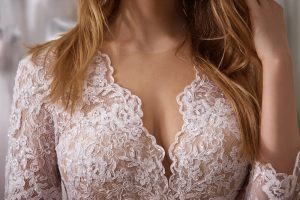
1. What Is Lace Loungerie?
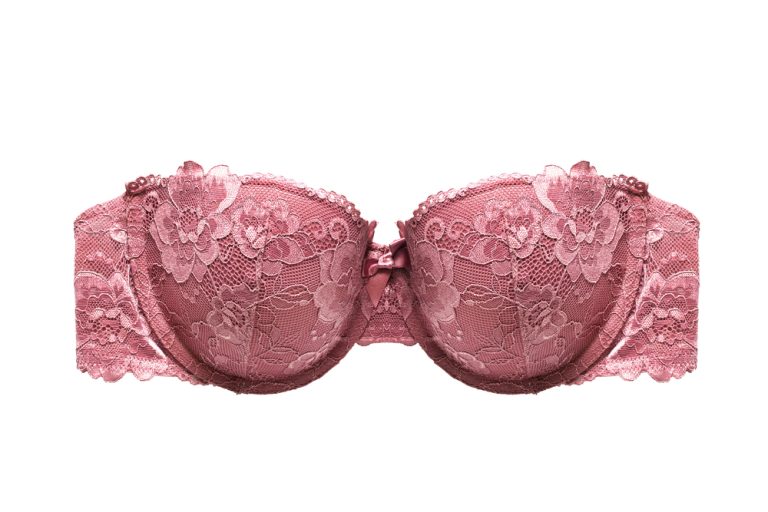
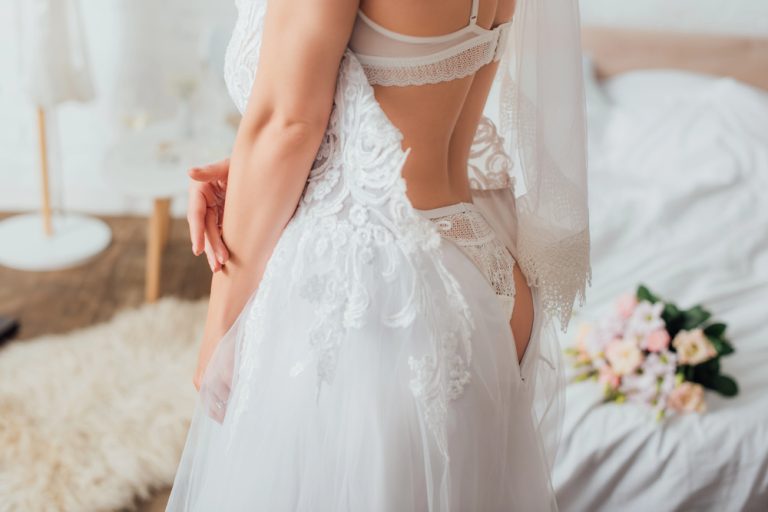
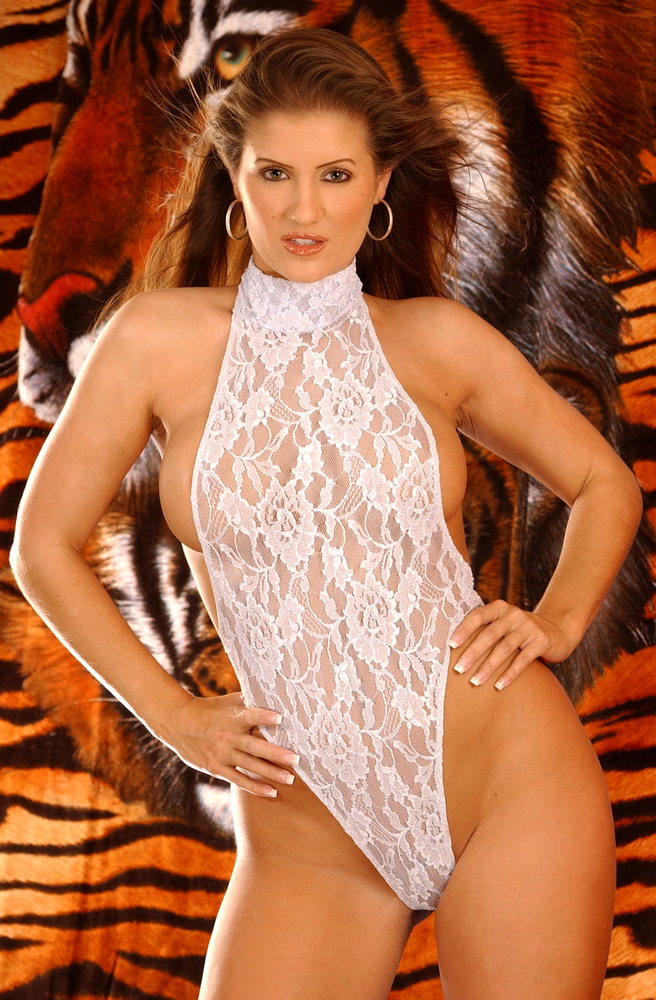
When most people think of lingerie, they imagine fine fabrics, delicate lace, and a touch of sensuality. The term lace loungerie blends the refined elegance of lace with the relaxed comfort of lounge wear. In effect, it refers to intimate garments crafted with lace elements yet designed for comfort, versatility, and everyday wear. While lingerie traditionally implied under-garments purely for intimate or formal occasions, lace loungerie broadens that view—inviting one to wear lace-adorned pieces for lounging, relaxing, and feeling good in one’s own space.
2. The Origins and Evolution of Lace Loungerie
The evolution of intimate apparel helps us understand how lace loungerie came to be. Historically, early undergarments were purely functional—meant to protect outer garments from sweat or provide basic support. As fashion advanced, undergarments evolved into more expressive pieces—by the late 19th and early 20th centuries lace and decorative elements became more prevalent. In recent decades, comfort-focused design and lounge wear have merged with intimate apparel to produce garments that look elegant yet feel relaxed: thus the rise of lace loungerie.
3. Why Lace Loungerie Boosts Mood and Confidence
There’s a psychological phenomenon known as “enclothed cognition”—the idea that what we wear influences how we feel and act. Women’s use of intimate apparel has been studied as a subtle signal of self-desire, confidence and partner attraction. Specifically, wearing something beautiful, comfortable and lace-detailed can shift mood and self-image. The right garment may be experienced not just as outer shape but inner attitude. For example, surveys suggest many women feel more confident wearing special underwear, even if no one else sees it. Thus lace loungerie serves both the physical and emotional side of intimate apparel.
4. Key Features to Look For
When selecting lace loungerie, focus on these eight joyful essentials:
-
Quality lace material – Look for lace that is soft, non-scratchy and well constructed.
-
Comfortable base fabric – Silk, modal, cotton-blend or microfiber blends support lounging.
-
Relaxed yet flattering cut – Designs that are not ultra-tight but still shape subtly.
-
Adjustable fit or flexible sizing – Lounge wear should adapt to your body comfortably.
-
Neutral and vibrant colour options – Some pieces in soft nude or black, others in joyful hues.
-
Versatile design – Styles that can work under clothing or as visible lounging sets.
-
Durable construction – Lace loungerie is more than a one-time wear; check seams and quality.
-
Care instructions – Lace often needs gentle care; following instructions extends life.
By focusing on these features, one ensures lace loungerie is both elegant and practical.
5. Pros of Incorporating Lace Loungerie Into Your Wardrobe
-
Elevated comfort with elegance: The blend of lace and lounge fabric means you can feel beautiful and relaxed at the same time.
-
Mood-enhancing power: Choosing a garment you love—complete with lace details—can boost self-esteem and affect your mindset.
-
Versatility: Many lace loungerie pieces can transition from home to casual outer-wear (e.g., a lace-trimmed camisole under a blazer).
-
Self-care signal: Wearing something special beneath or as your loungewear can be an act of self-respect and enjoyment.
-
Expression of personal style: Even in lounge wear, you get to express aesthetic choices—lace, colour, and silhouette matter.
6. Cons and Considerations
-
Cost: Lace and quality fabrics often cost more than basic lounge wear.
-
Maintenance: Lace can be delicate; it may require hand wash or delicate cycle, and more care than standard lounge garments.
-
Fit concerns: If the cut is too tight or the lace too rigid, it can feel less comfortable for lounging—so fit matters.
-
Visibility concerns: If you plan to wear lace loungerie under outer garments, lace patterns may show through thinner fabrics—so layering works differently.
-
Fashion vs. function trade-off: Some lace pieces prioritise aesthetics over function; for pure lounge comfort you may sacrifice some dress detail.
7. Risks and Fabric Care
Risk of damage is higher if lace is thin, the garment is poorly stitched, or machine-washed aggressively. Choosing a quality piece from a reputable brand mitigates this. Standard care steps: wash inside-out or use laundry bag, cold water, gentle detergent, air dry. Skipping care may lead to lace fraying or fabric wear—reducing lifespan. Also, ensure proper sizing: tight straps or under-garments may cause discomfort, digging or skin irritation. As with all intimate apparel, ensure good fit and fabric breathability to prevent skin issues.
8. How to Style Lace Loungerie for Everyday Use
-
Wear a lace-trimmed camisole under an open cardigan or blazer for casual elegance.
-
Choose a coordinating lace lounge set with a pant and top for at-home comfort that looks put-together.
-
Use a lace-accent robe or wrap to elevate your post-shower routine into a little ritual of self-care.
-
For layering: pick a lace bralette vis-à-vis outerwear where the lace subtly peeks under a blouse or shirt.
-
Mix textures: pair lace loungerie with heavier fabrics—like a chunky knit sweater—so the lace detail adds a pop without competing.
By styling intentionally, lace loungerie moves beyond under-garment into a lifestyle piece.
9. Choosing the Right Pieces & Brands
Focus first on your body shape, sizing, and preferences. Measure yourself or get professionally sized, especially for pieces like bralettes or tops that have lace in sensitive areas. Research brands that combine comfort and lace craftsmanship—look for reviews on fit, durability and feel. Be mindful of transparency in lace: if you want modesty, choose lining; if you want visible detail, choose scalloped edges or decorative trims. Evaluate the fabric composition: lace made from synthetic fibres may look nice but may not breathe as well; blends or higher natural fibre content may feel better for lounging. Consider ethical aspects: some brands emphasise sustainability, inclusive sizing and thoughtful construction.
10. Trends and Final Thoughts
The trend toward comfortable luxury continues. Lace loungerie reflects a shift: intimate apparel is no longer only for special occasions—it’s part of everyday self-expression and comfort. Social research suggests wearing beautiful intimate garments influences mood, identity, and how we feel in our bodies. The key takeaway: when you choose lace loungerie thoughtfully—balancing comfort, fit, style and quality—it becomes a joyful addition to your wardrobe rather than a hidden accessory.
Reference
-
Women’s use of intimate apparel as subtle sexual signals. PMC / PubMed.
-
The psychology of underwear: how it affects the mood. BPS (British Psychological Society). British Psychological Society
-
A (brief) history of lingerie from ancient times to present.
-
The power of underwear and undergarments: mood, self-confidence, body image.
-
Garment suggestion based on comfort: physiological and emotional parameters of clothing.